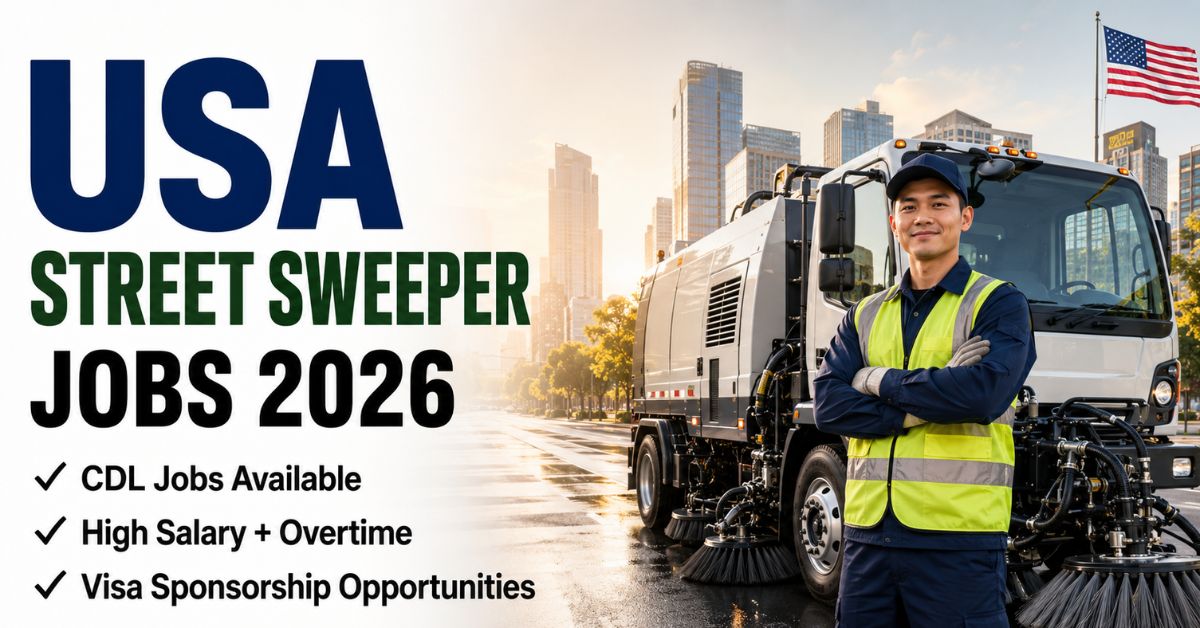
In almost every country, the demand for a clean and sustainable environment is a basic need of the communities. Behind every clean street, avenue, or road, there is a dedicated professional who contributes to making the environment clean and prosperous. The cleaning is mostly done by the use of machinery and other advanced equipment.
Unlike traditionally, street sweeping is no longer a manual labor task. It is the specialized sector of public works and environmental services with the use of high-tech and cutting-edge technology. If you are looking for street sweeper jobs in the US in 2026, this complete guide is to break down the exact steps, core qualifications, hiring platforms, and insider strategies that are needed to launch a career in street sweeping.
1. What Does a Modern Street Sweeper Operator Do?
The title of the job definitely informs the individuals that it is a cleaning job in which the worker tries to clean streets and roads, etc. It is really important to understand the day to day modern responsibilities for this role. The street handles different things than simply driving a work vehicle. Street Sweeper Operator also operates the equipment, environmental stewards, public health, and other services all in one.
Advanced Machinery Operation
The mandatory work of the street/road cleaner is to clean and protect the roads. Street operators typically run two types of machinery.
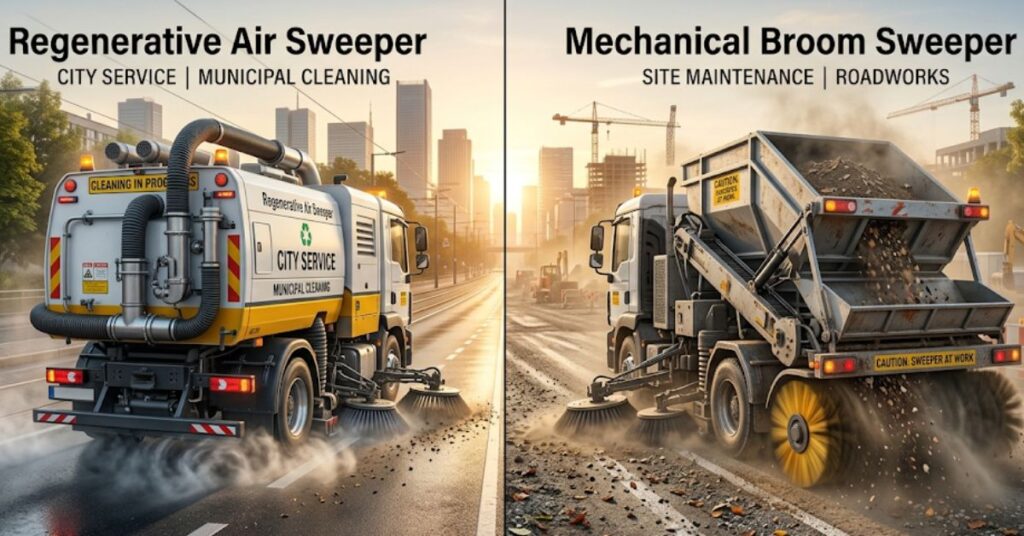
The first one is known as Regenerative Air Sweepers; these are the trucks that are being used for a closed loop system, blasting the stored and pressurized air onto the pavement, then vacuuming it up.
And the second one is Mechanical Broom Sweepers; these are the cylindrical and rotating brooms that physically scoop the debris and construction waste into the onboard hopper.
Preventative Maintenance & Inspection
In street cleaning jobs, there is a huge number of workers who are given different roles. Every worker, in most cases, is provided with machinery such as a vehicle or a vacuum, etc. If you are given the vehicle, then you are responsible for the vehicle you drive during the schedule. There could be a day when the inspection may happen, as well as the maintenance of the equipment.
In maintenance, the worker or the inspector should check the fluid levels to make sure parts are not being jammed by the debris, and other minor troubleshooting should be done.
Schedule Adaptability
In street sweeping jobs, there are different schedules such as the night shift, which typically starts from 10:00 PM to 6:00 AM, or the early morning shift from 4:00 AM to 12:00 PM. Adjusting the schedule is very necessary because during business hours, the parking lots are heavily congested, and the majority of street sweeping happens at night. Designing the schedule would be comfortable for the workers.
2. Identify Your Target Employer: Private vs. Public Sector
Street sweeping is a broad field; there are private and government career paths. There is a difference between private contracting and the public civil service that helps the right employers for the lifestyle. Below is the table that shows the difference to identify the employer.
| Feature | Private Contractors | Government / DPW |
| Hiring Speed | Fast (Days to Weeks) | Slow (Months) |
| Earning Potential | High (Overtime Driven) | Stable (Salary Scale) |
| Benefits | Standard 401(k) & Health | Premium Pension & PTO |
| Schedule | Dynamic / Flexible | Highly Predictable |
| Equipment Variety | High (Commercial Focus) | Massive Heavy Trucks |
Private Environmental & Sweeping Contractors
Private companies represent the largest sector of employment in this industry. Industrial giants like the Sweeping Corporation of America (SCA), along with hundreds of regional facility management operations, manage massive commercial and infrastructure contracts.
Private contractors handle sweeping for shopping mall parking lots, construction sites, industrial parks, and state highway construction zones.
- The Perks: The hiring process is usually fast, the fleets are often updated frequently, and there are ample opportunities for overtime pay.
- Best For: Individuals looking to enter the workforce quickly, gain immediate hands-on machinery experience, or maximize their weekly take-home pay via overtime.
City, County, and State Governments
Local municipalities, municipal Departments of Public Works (DPW), sanitation departments, and state highway maintenance divisions hire road cleaners as permanent civil service employees.
- The Perks: Government roles offer unmatched job security. Even in economic downturns, cities must clean their streets. These positions come with robust government pensions, premium health insurance plans, generous paid time off, and highly structured, predictable schedules.
- Best For: Professionals seeking a lifelong career path with long-term stability, clear wage ladders, and excellent retirement benefits.
3. Meet the Core Qualifications: Your Checklist for Success
To stand out in a competitive job market, you must fulfill specific legal, physical, and technical prerequisites. Use this master checklist to prepare your portfolio:
| Qualification | Why It Matters |
| Valid Driver’s License & Clean Motor Vehicle Record (MVR) | Employers prioritize safety because operators drive expensive heavy machinery on busy public roads. A clean driving history with no recent DUIs, major violations, or excessive speeding tickets is strongly preferred. |
| Class B Commercial Driver’s License (CDL-B) | Most high-paying street sweeper and road cleaner positions require a CDL-B, which allows you to operate vehicles with a Gross Vehicle Weight Rating (GVWR) above 26,000 pounds. |
| Air Brake Endorsement | Heavy-duty municipal sweepers use air brake systems. This endorsement is essential for operating public works trucks safely and legally. |
| Physical Stamina & Environmental Resilience | Operators must handle physically demanding work such as lifting 50+ pounds, climbing in and out of truck cabs, and working outdoors in extreme weather conditions. |
| Mechanical Aptitude | Basic mechanical skills like using power tools, changing oil, or troubleshooting small equipment issues can give applicants a major advantage during hiring. |
4. Step-by-Step Guide: How to Apply and Get Hired
Step 1: Secure Your Paperwork
Before filling out a single application, go to your local DMV website and request an official copy of your Motor Vehicle Record (MVR). Having this document ready to upload shows hiring managers that you are proactive. If you don’t have your CDL yet, consider enrolling in a local commercial driving school or looking for private contractors that offer “paid CDL training” programs for promising entry-level hires.
Also Read:How to Get a Housekeeping Job in Dubai Without Experience: Complete Guide 2026
Step 2: Optimize Your Resume for Public Works
Tailor your resume to emphasize safety, machinery operation, and reliability. Use clear, action-oriented bullet points. For example:
“Operated heavy equipment across 40+ weekly hours with zero safety incidents.” “Performed rigorous daily pre-trip inspections on hydraulic and vacuum systems to ensure peak vehicle performance.”
Step 3: Target the Right Hiring Platforms
To find a street sweeper job, there are many platforms available through which individuals can find the opportunity for the job. If the individual is targeting the government and municipal roles, then visit the official portals of the country’s HR departments. Search for keywords such as “Street Sweeper Operator”, etc., and make sure to visit the official platforms like USAJOBS.gov.
For the private job sector, visit Indeed, ZipRecruiter, and LinkedIn. On these platforms, set up the automated keywords to get notified. Make sure not to be scammed by the unauthorized job portals and don’t pay any fee without any proper documentation.
Step 4: Navigate the Background and Drug Screening Process
Because street sweeping vehicles fall under Department of Transportation (DOT) regulations or civil service mandates, expect a comprehensive background check. You must be prepared to pass a pre-employment drug screening and, if operating CDL-level machinery, participate in mandatory random drug testing pools throughout your employment.
5. The Future of Street Sweeping: Green Fleets & Tech Integration
The street cleaning industry is undergoing a massive green transformation. As cities push to reduce urban carbon footprints, municipalities are rapidly adopting electric street sweepers and low-emission alternative fuel fleets.
Modern sweeping vehicles are also increasingly equipped with GPS tracking systems, smart routing software, and automated debris-detection sensors. Position yourself as a forward-thinking candidate by showcasing comfort with technology, data tracking, and eco-friendly machinery. Operators who embrace these technological shifts will find themselves highly sought after by top-tier employers in the coming decade.
Frequently Asked Questions (FAQs)
What is the average salary for a street sweeper operator in the US?
The average salary for a street sweeper may differ heavily depending on the geographic location, employer type, and whether the role requires a CDL.
- Non-CDL Commercial Operators: Typically earn between $35,000 and $45,000 annually.
- CDL-Certified Municipal/Highway Operators: Earn between $52,000 and $75,000+ per year. In major metropolitan areas or unionized public works departments, experienced operators frequently clear over $85,000 annually when factoring in overtime, hazard pay, and night differentials.
Can I get a street sweeping job without prior experience?
Yes, it is possible for the private sweeping workers to get the entry level job without prior experience. But without prior experience, an individual may be recruited to basic roles like a helper, etc.
Are street sweeper jobs seasonal?
In the US, in northern states with harsh winters, street sweeping slows down during the peak snow months. In the southern coastal and western states, street sweeping is robust with year-round operation.
Disclaimer: This guide is for educational and informational purposes only